Retail theft isn’t a seasonal problem — but it isn’t evenly distributed across the year either. Victorian retailers consistently report elevated loss in the second half of the year, as trading hours extend, staffing gets stretched thinner across shifts, and store layouts shift to accommodate seasonal stock. If you run a retail business and haven’t reviewed your loss prevention setup recently, now is a sensible time to do it.
What’s Actually Driving Retail Loss
“Shoplifting” is the term most people reach for, but retail loss in Victoria typically comes from three distinct sources, and they need different responses:
- Opportunistic shoplifting — unplanned theft by a customer who sees an easy opportunity (an unattended till, a blind spot, an unmonitored fitting room)
- Organised retail crime — coordinated theft, often involving multiple people working together to distract staff or overwhelm a single point of sale
- Internal shrinkage — theft or process failure involving staff, which industry data consistently shows accounts for a meaningful share of total retail loss, often more than external theft alone
A security approach built only around obvious external shoplifting will miss two of these three categories entirely.
Why CCTV and Signage Alone Aren’t Enough
Most retail stores already have cameras and “shoplifters will be prosecuted” signage. Both help — but neither actually stops theft in the moment. Cameras document it after the fact. Signage deters the most casual, opportunistic cases and does little against organised or repeat offenders who already know where the blind spots are.
The gap is the same one that shows up across most retail security setups: nothing physically present to intervene, de-escalate, or simply change the calculation for someone weighing up whether tonight’s the night to try something.
What a Visible Security Presence Actually Changes
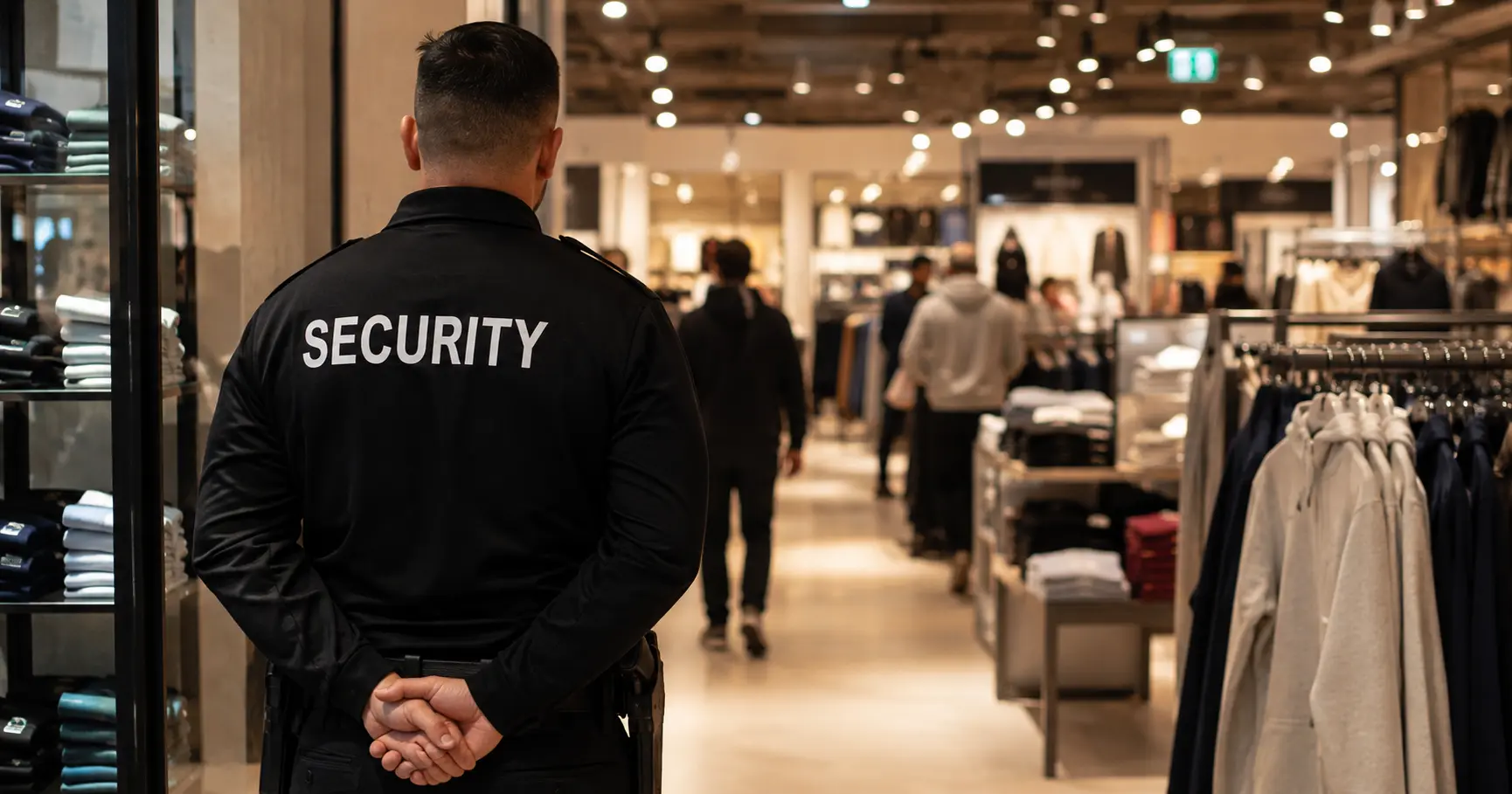
A uniformed security guard on the floor — even part-time, even just during peak trading hours — changes retail loss patterns in ways that cameras alone don’t:
- Deterrence at the point of decision. Most shoplifting is opportunistic; a visible guard removes the “easy opportunity” that opportunistic theft depends on.
- Faster response to organised theft. A guard can recognise coordinated distraction tactics in real time and respond before goods leave the store, not after a stocktake reveals a gap.
- A neutral third party for staff. Guards provide a layer of accountability that helps deter internal shrinkage without putting store staff in the position of policing their own colleagues.
- Calmer incident handling. When theft is detected, a trained guard can manage the situation without it escalating into a confrontation that puts staff or other customers at risk.
Matching Coverage to Your Actual Risk
Not every retail site needs a guard on the floor five days a week. The right level of coverage depends on store size, stock value, trading hours, and your store’s specific loss history. Some retailers get the most value from guards during weekend and after-school peak periods; others need consistent daily coverage during a high-value seasonal trading window.
This is worth an honest conversation rather than a one-size-fits-all package. A site walkthrough can usually identify your highest-risk periods and blind spots within an hour.
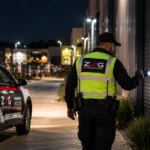
ZSG’s Security Guards team works with retailers across Gippsland to build coverage around actual trading patterns and loss history, not a generic template. We also offer Mobile Patrol for after-hours and out-of-trading-hours coverage.
Get a free site assessment or call 1300 989 676 to talk through your store’s loss prevention setup.